

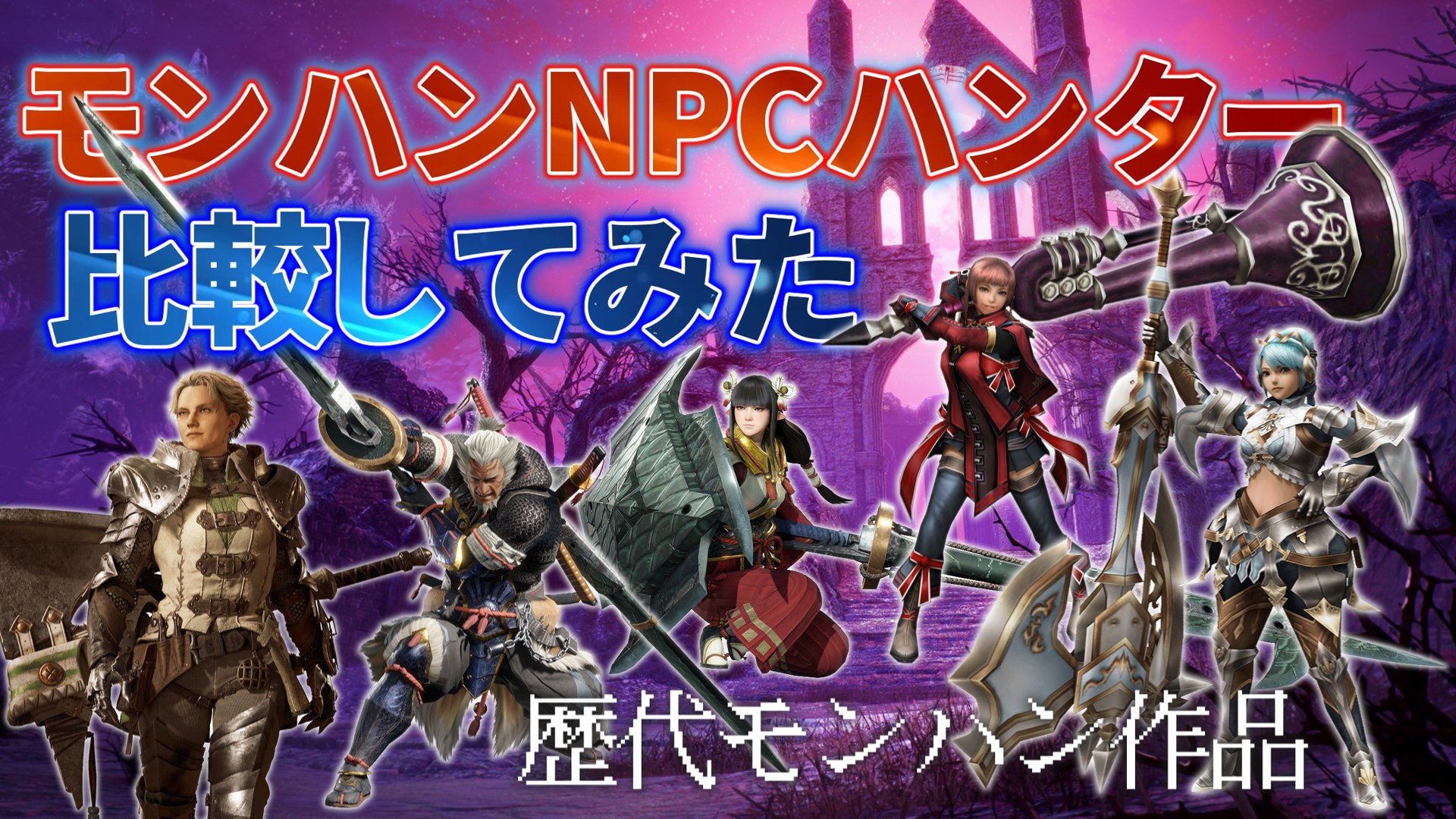
Across the Monster Hunter series, we’ve had many different “companion NPCs” depending on the game—
Palicoes, Cha-Cha, Halk, and more.
And starting with Rise’s Followers—and now Wilds’ Support Hunters—
NPC hunters have begun joining hunts in a much more serious way.
On the other hand, for us former Frontier hunters, we already had long-time “reliable partners” like Rastas, Fostas, and Partners.
So for many of us, NPC companions in Rise and Wilds felt like, “Wait… is Rasta back?!”
So… which NPC hunter is actually the best?
If you’ve ever wondered that,
this time I compared Followers, Support Hunters, and Legendary Rastas!
Let’s Compare NPC Hunters!
If we broadly categorize the NPC hunters we’ve seen so far, I’d say they fall into three main types:
【Followers: Rise】 / 【Support Hunters: Wilds】 / 【Rastas: MHF】.
MHF also had other companions like Partners, Fostas, and even Busters… but this time I’ll focus on the most powerful among them: the Legendary Rasta.
First, for players who’ve only played Wilds—or for those who never played MHF—here’s a quick summary of each NPC type.
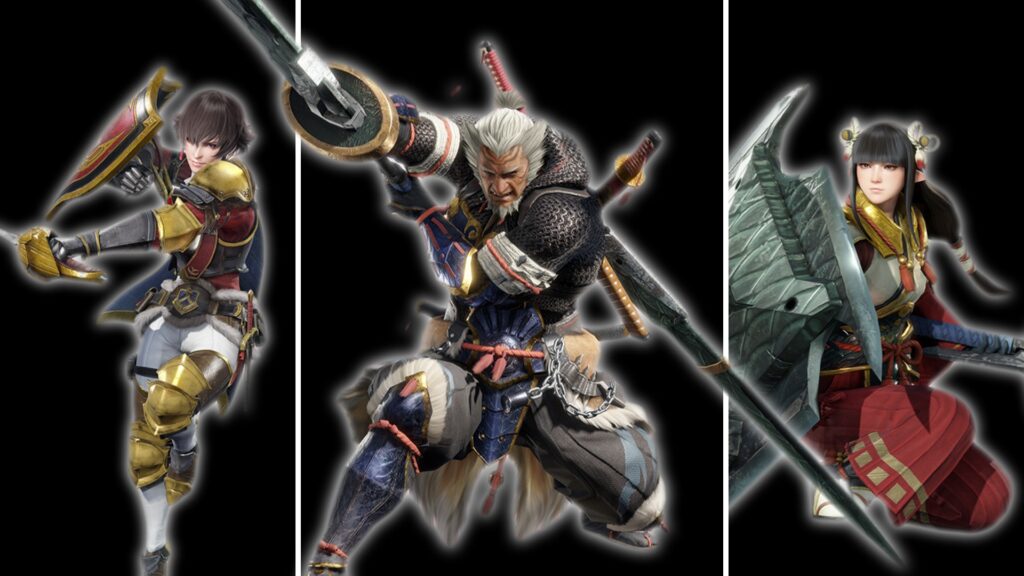
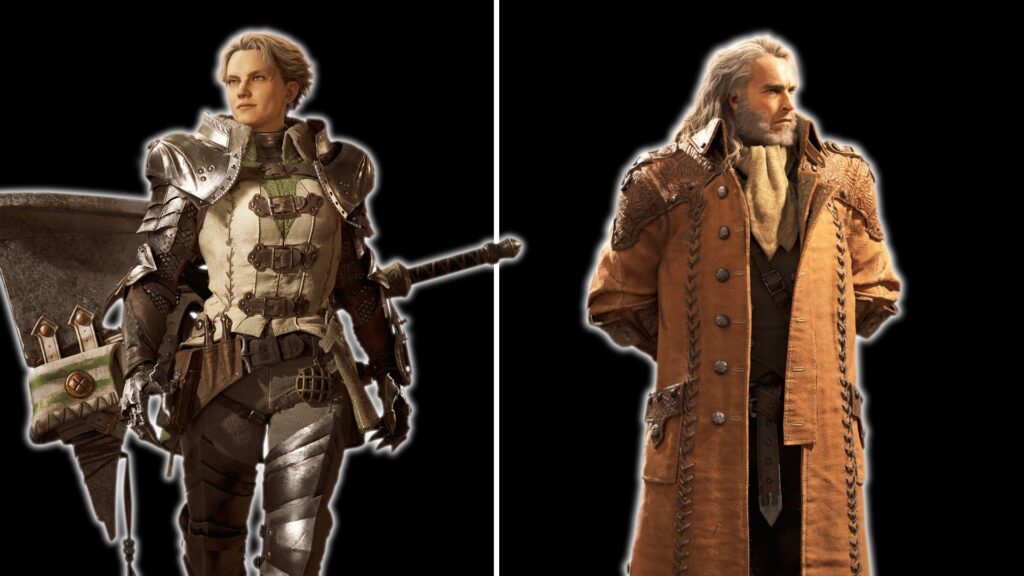
Followers
NPC hunters introduced in MHRise.
Followers (JP: “Meiyuu”) have very distinct personalities—
their weapon choices and behavior patterns vary a lot from character to character.
Damage output is decent.
Support Hunters
NPC hunters introduced in MHWILDS.
Nickname: “SupoHan”.
Their strength is tuned based on quest difficulty,
and you cannot change the weapon a character uses.
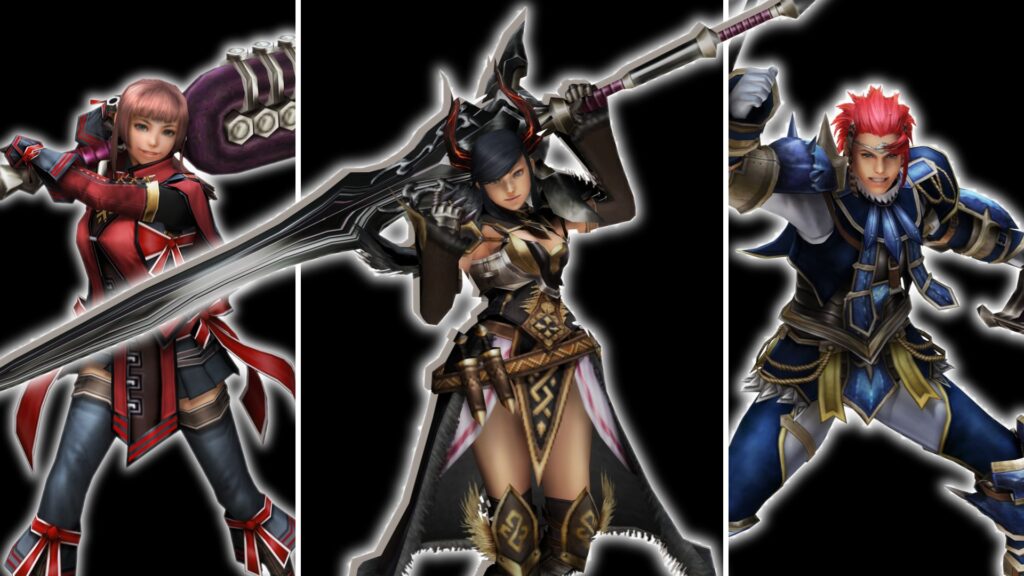
Legendary Rasta
NPC hunters from MHF.
Nickname: “Resta”.
They’re so insanely strong—running things like Secret Skills, Gutsy/Adrenaline-style setups, and more at all times—
that people basically call them “official cheat-level”.
You can’t change their weapon type (but you can swap the weapon within that type).
If I had to describe them in one line:
- Followers prioritize uniqueness and support
- Support Hunters prioritize balance
- Legendary Rastas are pure high damage
That’s the vibe.
Unlike Followers and Support Hunters, Legendary Rastas can hunt most monsters even without a player hunter present.
And there are three major differences.
Followers and Legendary Rastas (Rastas) do not increase monster HP when they join.
In MHF specifically, monster HP is basically designed around multiplayer parties from the start, so it doesn’t scale based on how many members join.
So basically… it’s always worth bringing them along?
Wilds is different—adding Support Hunters increases monster HP, even if they’re NPCs.
Since each game’s systems work differently, NPC hunter behavior and rules also end up being totally different.
Next, let’s take a closer look at each NPC type.
Followers: Strengths and Weaknesses
① You can choose their weapon type
Rise’s Followers have some restrictions, but you can pick which weapon type they use.
Some characters—like Master Utsushi—can use all weapon types, so you can even do things like bringing two Hunting Horn Followers.
They also have a wide variety of skills and don’t really feel “under-specced,” but overall their damage output feels modest.
They rarely pull off “perfect loop” offense where they relentlessly punish the monster unless you get a knockdown—
but overall, their AI is very solid.
Depending on your strategy,
“who you bring” can completely change the hunt.

② Character-specific behavior is fun
For example…
・Hinoa: “I’ll support you, Hunter!”
・Utsushi: “For my beloved pupil, I’LL DO ANYTHINGGGGG!!!!”
This is one of Rise’s unique charms,
and a big reason why Followers are rated so highly.
Followers: Weaknesses
① Weaknesses caused by personality
Followers all behave differently, and they also use different items.
Luchika is purely damage-focused and won’t toss heals to allies at all.
➡ Great news if you want to run an Adrenaline-style setup.
On the other hand… early Fugen was kind of a troublemaker.
Sometimes he’d place a Shock Gas Toad—and end up inflicting status on you as well.

Who the heck put that stupid shock toad here?!
In the end, environmental status effects stopped affecting hunters, so the downside mostly disappeared—
but it was definitely one of those “yep, that’s Monster Hunter for you” moments.
And according to Fugen, the toad was…
I got it from Gokoku.
…Apparently.
② Damage output is still modest
There’s basically no real downside to bringing them compared to other companions,
but their damage is still on the lower side, and they won’t keep up high DPS pressure outside of knockdown windows.
In terms of character flavor, weapon flexibility, and AI stability, Followers are the best among NPC hunters.
Support Hunters: Strengths and Weaknesses
Compared to Rise’s Followers, Support Hunters are designed more for reliability than personality.
Their AI is tuned to match Wilds’ battle tempo, and their biggest strength is the excellent balance of
damage, tanking, and healing support.
Support Hunters: Strengths
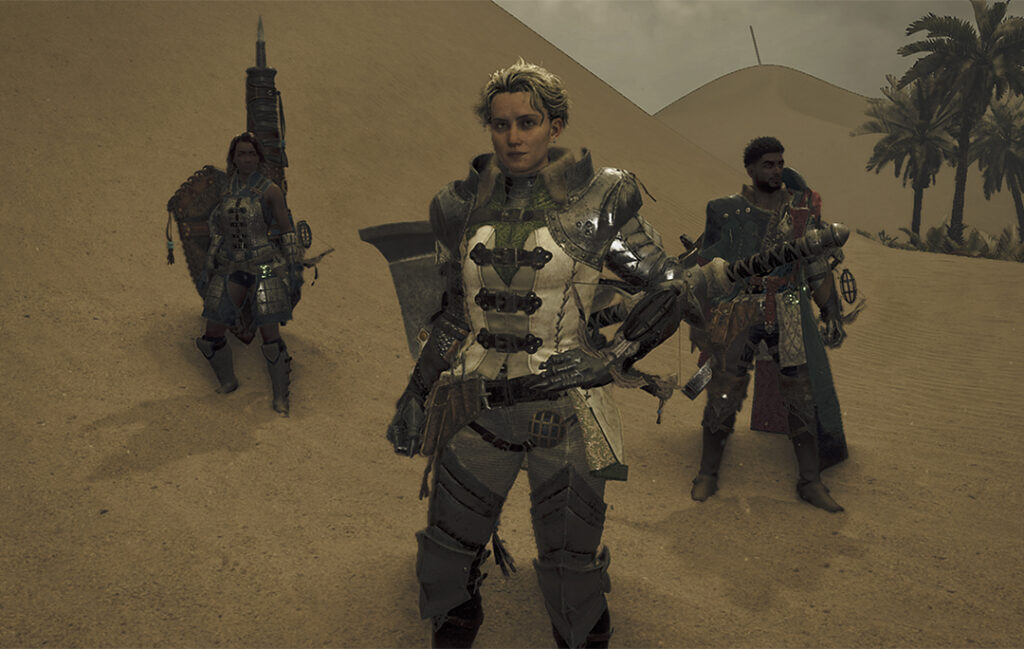
① Their tanking is absurdly good
They reliably grab aggro (hate),
naturally drawing the monster’s attention—
which greatly increases your survival rate.
This is especially noticeable in the Omega Planetes fight, where you often get an ideal setup like:
Support Hunter holds aggro → you get clean attack windows.
② They’re designed to actually deal damage
In Wilds, “bringing Support Hunters increases monster HP,”
so NPC attack power is tuned higher to prevent hunt times from dragging out too much—even with the scaling.
From early-game trash hunts to late-game large monster fights,
they’re “not just not dead weight—they’re genuinely strong.”
③ Their healing support is quietly clutch
Beyond Dust of Life-style support, they also handle:
・status recovery
・buffs for allies
・self-healing
which reduces accidents in unfamiliar quests or first-time monster encounters.
④ A groundbreaking system: their strength scales with difficulty
Starting from Ver.1.030.00.00,
Support Hunter strength changes depending on difficulty
which made it much less likely for them to hold you back in high-difficulty quests.
- When the quest leader is HR75+ or HR100+, Support Hunters are adjusted so that their
attack and defense increase accordingly. - In high-difficulty quests, Support Hunter stats are adjusted to be strengthened.
Source: https://info.monsterhunter.com/wilds/update/ja-jp/Ver.1.030.00.00.html
This didn’t exist in Rise or MHF,
and it’s one of the reasons Support Hunters are so highly regarded in Wilds.
Support Hunters: Weaknesses
Of course, they do have weaknesses.
① You can’t choose their weapon type
Right now, you can choose a hunter who happens to use a Hunting Horn, for example—
but you can’t do something like giving Aresa and Rosso Hunting Horns and stacking buffs nonstop.
② Their AI is good, but they’re not the “never get hit” type
They’re strong, but you’ll still see NPC-like moments such as:
“they position too aggressively and get clipped,”
“they can’t fully read wide-range attacks,”
and so on.
Can’t they do something about Mustard Bomb a bit better?
That said, they come back quickly after going down, so it’s usually not a deal-breaker.
③ Monster HP scaling is controversial
This is the biggest downside.
Since adding Support Hunters increases monster HP,
there are cases where “solo is still faster”.
Especially for high-DPS weapon users, there are situations where
“Support Hunter damage ≧ the extra HP” doesn’t hold true,
so it’s not pure upside in every case.
If you’ve noticed this, you’re probably (damage-wise) a pretty solid hunter.
④ Less personality (people may love it or hate it)
Rise’s Followers have quirks per character,
but Wilds’ Support Hunters tend to feel like they behave similarly no matter who you bring.
Strong, but not as memorable…
That’s the “balanced companion” vibe for me.
Is it really that “less” though…?
Legendary Rasta: Strengths and Weaknesses
Just like the others, you can’t change a Legendary Rasta’s weapon type in MHF, but you can choose from several weapons within their usable options. (At the MHF_Z stage, it’s basically the Koré series only, though…)
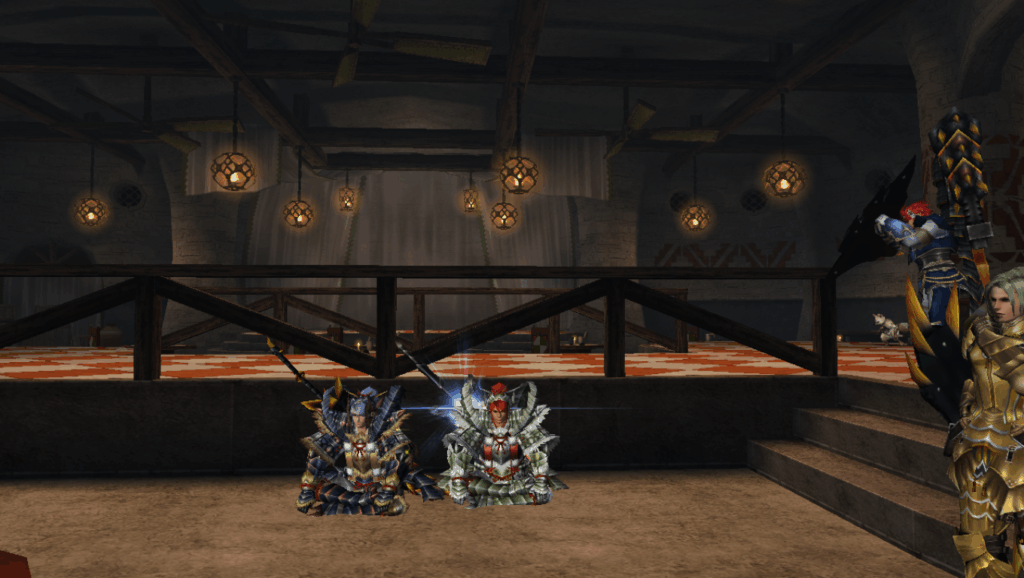
Their damage is stacked without mercy—
with things like Secret Skills, Lone Wolf, Adrenaline, Supremacy, and Consumption Boost always active.
These are the kinds of skills that would be extremely demanding for a real player to maintain at all times—
yet they run them as their “default state.”
They’re basically a walking official cheat-level DPS bundle.
What even IS that gear…?
Some Rastas make you want to say that out loud, but that’s also part of what makes MHF… MHF.
On top of that, Legendary Rastas also provide strong support, using a wide variety of items such as:
Status throwing knives, pitfalls, shock traps, and pre-crafted life powders.
You can also choose which items they’ll use,
so you can toggle support options on/off depending on the quest.
If the monster is weak, they’ll even put it to sleep with a sleep throwing knife so you can finish it off.
I’ll never forget Lord Keith—
after bulldozing a low-rank Dos Lanpos with full-on endgame DPS gear,
he put it to sleep with a throwing knife and then stared at me like,
“My lord, please deliver the final blow.”
Legendary Rasta: Weaknesses
Even the overwhelmingly strong Resta has some weak points.
① Since monster HP is multiplayer-tuned, the relative burden is heavier
Because of how MHF works, monster HP doesn’t scale by party size—
so if you go as 1 player + 1 Resta, you’re effectively a “2-person party” shaving down a huge HP pool.
Their damage is high, but it’s not an instant delete, so hunts still take a decent amount of time.
You can run 1 hunter + 3 Restas using L-Rasta tickets or KariKo and the like, but…
well, it’ll cost you, dear customer.
② AI has improved over time, but there’s still a lot of “stiffness”
MHF’s combat tempo is unique compared to modern MH titles, and you still see things like:
・post-animation downtime
・imperfect positioning
・getting caught on tails or ledges
which makes it feel like it’s still carrying older-generation AI limitations.
To be fair, monsters did too.
③ In ultra-hard quests, they can’t adapt like a pro hunter
The more you get into monsters with big, punishing moves—Zeniths, Hardcore, Origin, Extreme-level fights—the more they just get wiped.
Up to around Zenith ★1–2, they can still brute-force things with damage, but if you bring them to something like Extreme Zinogre… they become completely useless.
At the Extreme tier, it’s honestly better not to bring them
Overall Verdict
In one sentence: they’re all different, and each has a different role.
| NPC Type | Strengths | Weaknesses |
|---|---|---|
| Followers (Rise) | Lots of personality, weapon choice possible, strong AI | Lower damage, relies on the player to finish fast |
| Support Hunters (Wilds) | Well-balanced AI, great tank/heal support, strength scales with difficulty | Monster HP scaling, damage efficiency can vary |
| Legendary Rasta (MHF) | Top-tier damage, strong support, perfect traps/status play | Older system/behavior quirks, monsters have huge HP pools |
If we compare them by the word “strongest,” it’s definitely Legendary Rasta.
However, that power is optimized for MHF’s game design,
so their role is quite different from Rise and Wilds, which are built around public multiplayer as the baseline.
Hey—there’s a reason it’s paid content.
Being able to flexibly handle high-difficulty quests is a major strength of Rise and Wilds’ NPC hunters.
Honestly, in MHF’s truly extreme high-difficulty quests, having NPCs around can even feel like they’re in the way.
If constant Adrenaline + full-stack DPS Legendary Rastas ever came to the mainline series… they might steamroll even the toughest monsters.
Partner
Just like Palicoes, Palamutes, and Cha-Cha, MHF also has a companion hunter that “grows” alongside you.
Partners are introduced through Rastas, and they’re NPC hunters you raise yourself—by giving them gear, building their skill setup, and even training their weapon proficiency.
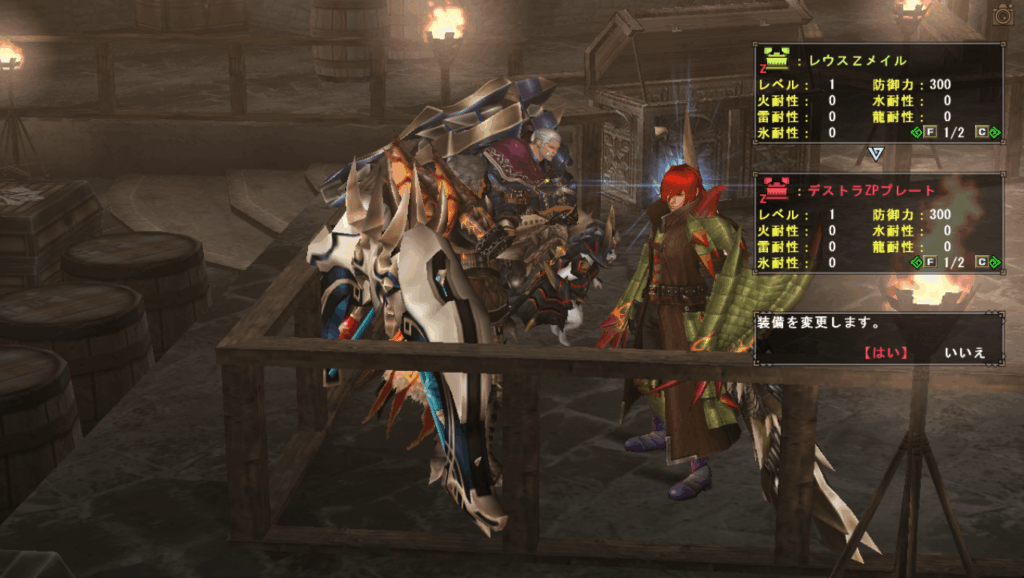
Boss! I’ll follow you for life!!
At first, you might even think, “Are they weaker than Fostas… or even normal Rastas?”
They feel that useless early on—but with training, they eventually grow strong enough to rival Legendary Rastas.
They won’t become a constant Adrenaline + Lone Wolf monster, of course,
but their customization is excellent: you can give them the strongest Sword & Shield, the Ultimate God Sword Galatine,
and aim for elemental damage (element values are fixed per rank) plus paralysis,
or build a status-specialized setup for lockdown play.
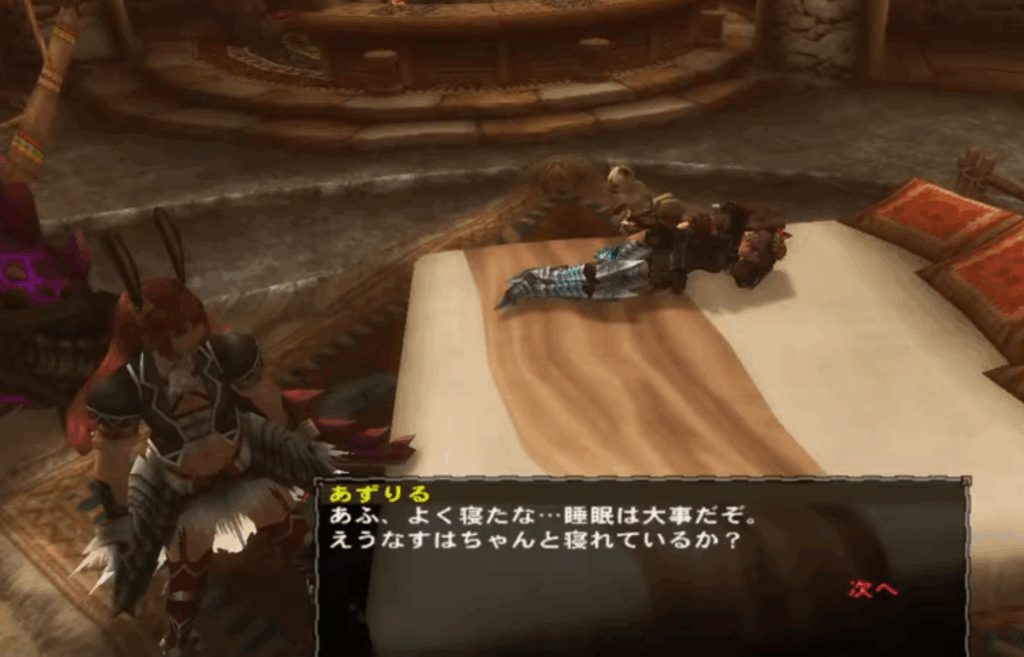
You can even cuddle up for a nap.
Little by little, features from MHF—like Rastas and layered armor systems—have been imported into the mainline titles.
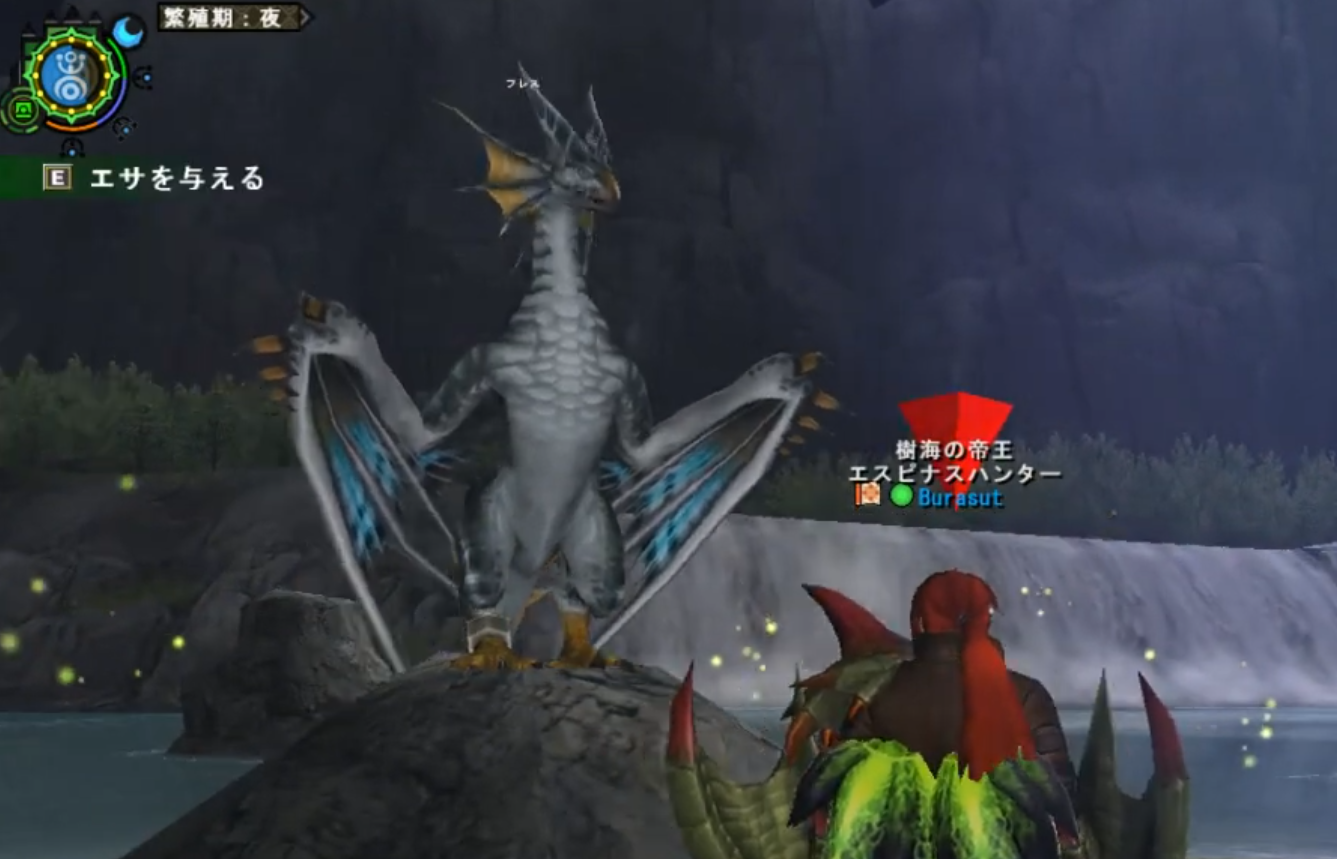
And in MHRise, Espinas became the first MHF-original monster to make a full return.
I hope more MHF monsters and gear get added in the future, and that the deep mainline story will someday include familiar faces from Mezeporta—our old friends, reunited.
I also post videos and articles comparing the mainline series with MHF and looking back on old memories, so if you’re interested, feel free to check them out.
See you next time!
-2024-01-10-22-50-40.jpg)
コメント